From Tinsel To Trash: Don't Be Too Fast!
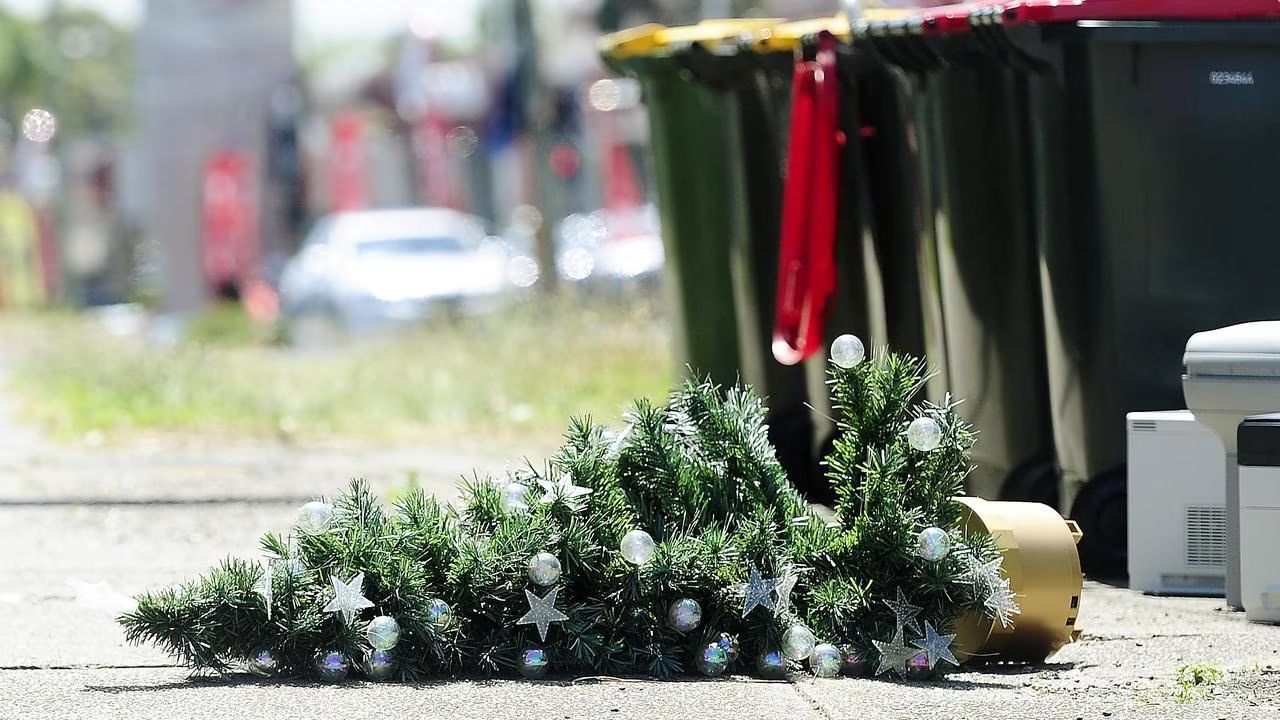
Your Guide to Eco-Friendly Christmas Clean Up!
From real trees to tangled lights, disposal can be confusing. Fresh Water Bins
is here to simplify your post-holiday clean up with a FRESH, eco-friendly guide.
The carols have faded, the last of the holiday treats are long gone, and now comes the bittersweet task: taking down the Christmas decorations. Before you stuff that sad-looking Christmas tree and tangled mess of lights into the trash, taking a moment to thoughtfully recycle and dispose of your holiday clutter can make a real difference.
The Good, The Bad, and The Glittery: Sorting Your Seasonal Stuff
The key to proper disposal is knowing what goes where. Here’s a breakdown of common holiday decorations and how to deal with them:
1. The Christmas Tree (The Big One!) 🎄
• Real Trees: Never just dump your tree! Most municipalities offer dedicated Christmas tree recycling programs. These "tree cycling" initiatives turn your old tree into mulch for parks and gardens.
- How: Remove all lights, tinsel, ornaments, and stands. Check your local county or city website for drop-off locations, curbside pickup schedules, or special chipping events.
• Artificial Trees: If your artificial tree is still in good condition, consider donating it to a thrift store, charity, or even offering it on a local "buy nothing" group.
- Recycling: If it's truly beyond repair, artificial trees are often made from a mix of materials (PVC, metal) that are hard to separate. Unfortunately, most curbside recycling programs won't accept them. Your best bet is usually to dispose of it with your regular trash, or check if any specialized recycling centers in your area accept large plastic items.
2. Tangled Lights 💡
• The Problem: Christmas lights, especially the old incandescent ones, contain wires and small bulbs that can tangle machinery at recycling plants if tossed into your regular bin.
• The Solution: Many hardware stores (like Lowe's or Home Depot) and electronics retailers offer seasonal light recycling programs. Some scrap metal recyclers will also take them. These programs ensure valuable materials are recovered and harmful ones are disposed of safely.
• Never: Put them in your curbside recycling bin!
3. Ornaments (Glass, Plastic, & Sentimental) ✨
• Good Condition: If ornaments are intact and you just don't want them anymore, donate them! Thrift stores love accepting seasonal decor.
• Broken Glass Ornaments: These should be wrapped in newspaper or placed in a bag before going into the regular trash to prevent injury to waste handlers. They are generally not recyclable due to their mixed materials and small, sharp pieces.
• Plastic Ornaments: Similar to glass, if they are broken or very old, they usually belong in the regular trash. Small plastic items often fall through the cracks in recycling machinery.
• Heirloom/Sentimental Ornaments: If these are broken, consider repairing them or turning them into a new craft project rather than tossing them!
4. Tinsel & Garland (The Glittery Menace) 🌟
• The Problem: Tinsel and most plastic garlands are made of very thin, non-recyclable plastic strands. They are notorious "tanglers" in recycling machinery and are too lightweight to be processed effectively.
• The Solution: These items belong in the regular trash. To minimize their impact, try to reuse them for as many years as possible!
5. Wrapping Paper, Bows & Ribbons 🎁
• Wrapping Paper:
- Recyclable: Plain wrapping paper (without glitter, foil, or heavy laminates) is often recyclable. Do the "scrunch test" – if it stays scrunched, it's probably paper and can be recycled.
- Non-Recyclable: Glitter-covered, metallic, foil, or heavily laminated papers usually belong in the trash
- How: Remove all tape, bows, and ribbons before recycling
• Bows & Ribbons: Unfortunately, most bows and ribbons are made from non-recyclable materials and should be reused or placed in the regular trash.6. Greeting Cards (Paper Power!) 💌
• Recyclable: Most plain paper greeting cards can be recycled!
• Non-Recyclable: Cards with glitter, foil, metallic embellishments, or electronic components should go into the regular trash.
• Bonus Tip: Many cards are beautiful! Consider cutting out the front to use as gift tags for next year, or as craft material.
Final Thoughts - A Few Golden Rules for a Green Clean-Up: 🗑️♻️
• When in Doubt, Throw it Out (to the trash, not recycling): If you're unsure whether an item is recyclable, it’s often better to put it in the regular trash. Putting non-recyclable items into the recycling bin can contaminate entire batches of recyclables and cause more harm than good.
• Check Local Guidelines: Recycling rules vary significantly by county and city. Always check your local waste management website for the most accurate information on what they accept and special holiday programs.
• Re-usability is Key: Before you even think about tossing, consider if an item has another year in it, or if it could be repurposed. The most eco-friendly item is the one you don't have to buy again!
• Declutter Thoughtfully: Maybe next year, invest in fewer, higher-quality decorations that will last for years, reducing your end-of-season waste.
By taking a little extra time to sort your holiday junk, you're not just cleaning up your home; you're giving a gift to the environment. And if you need a bin refresh after discarding all your trash and recycling, Fresh Water Bins is here for you. Here's to a tidy home and a happy, healthy planet in the New Year!
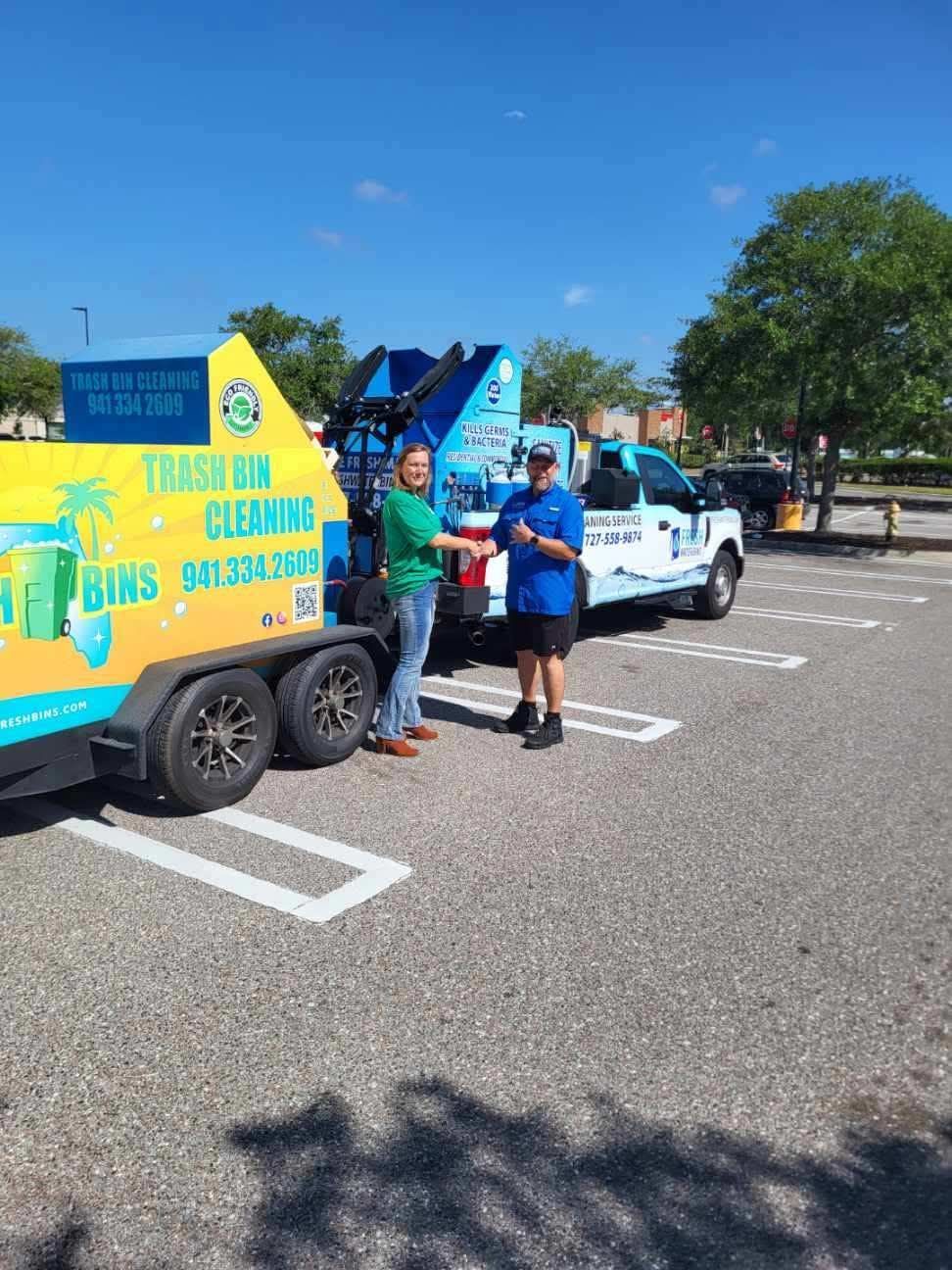
~Teamwork Makes the Dream Work~
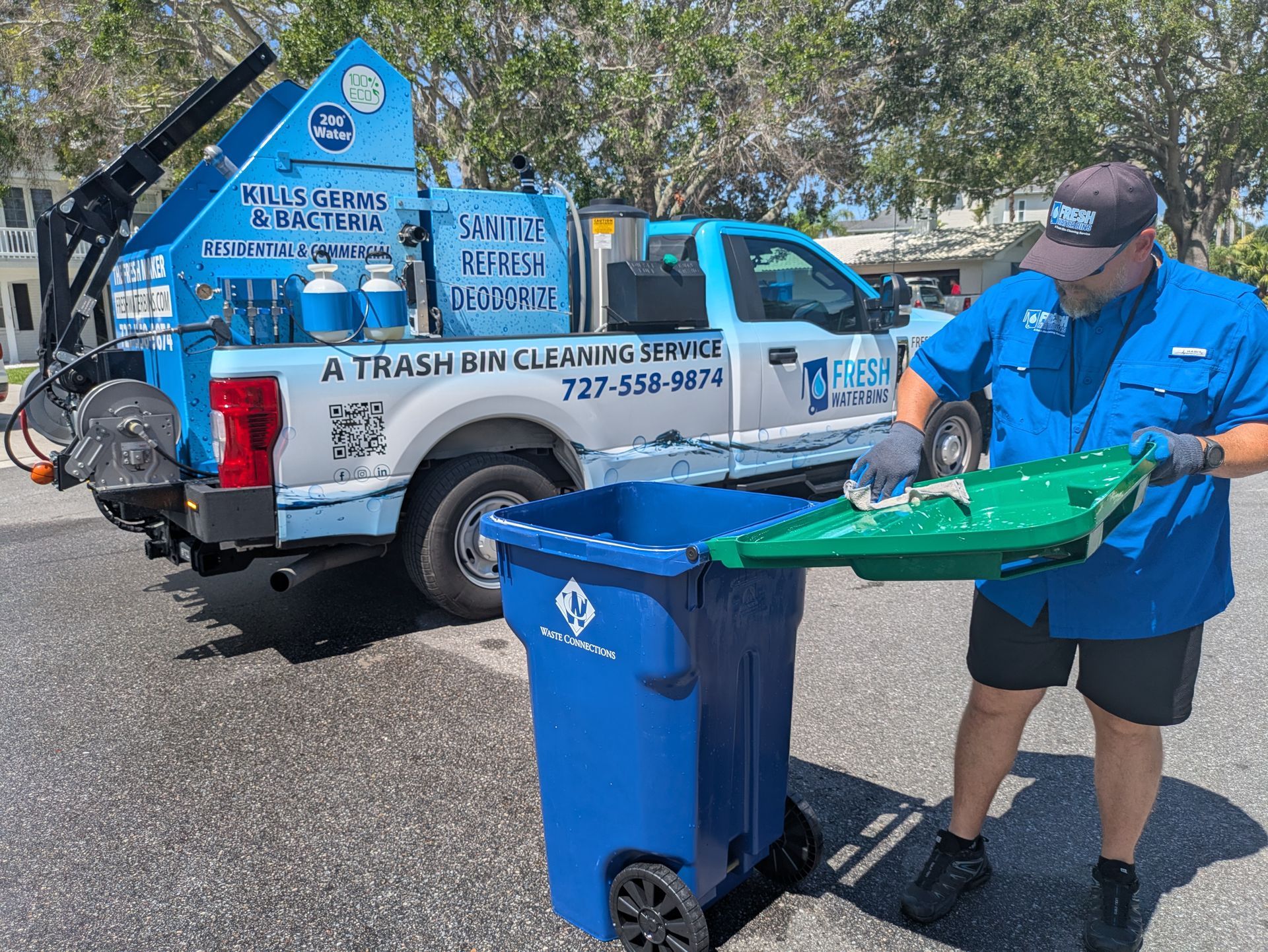
Can't I just use bleach to clean my trash bins?
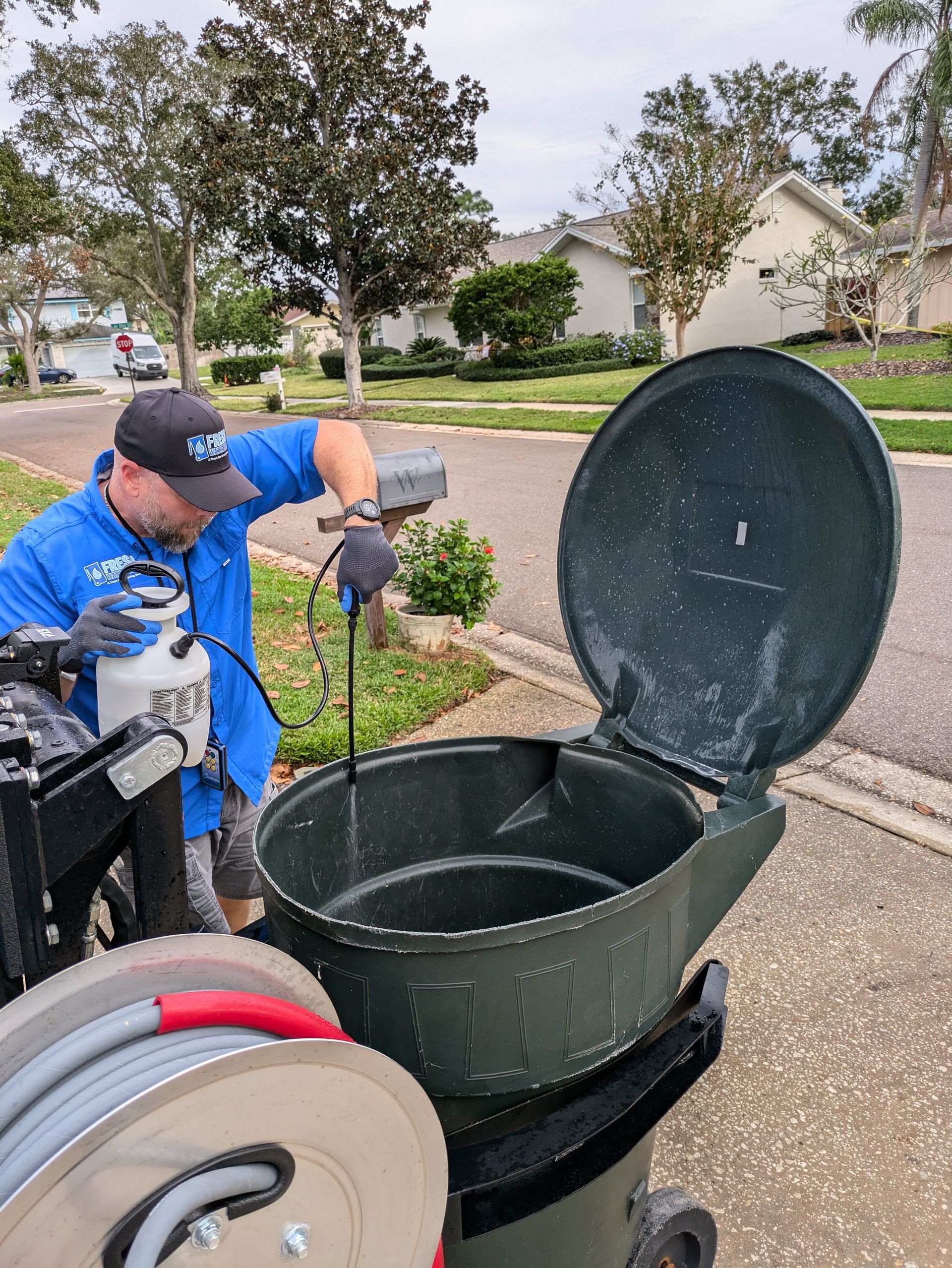
We all know trash bins can get a little… unpleasant. But did you know that grime and odor are more than just an unsightly nuisance? There's a lot more going on in your trash cans than meets the eye (or nose!), and understanding these hidden dangers can help you make a better choice for your home and the environment.
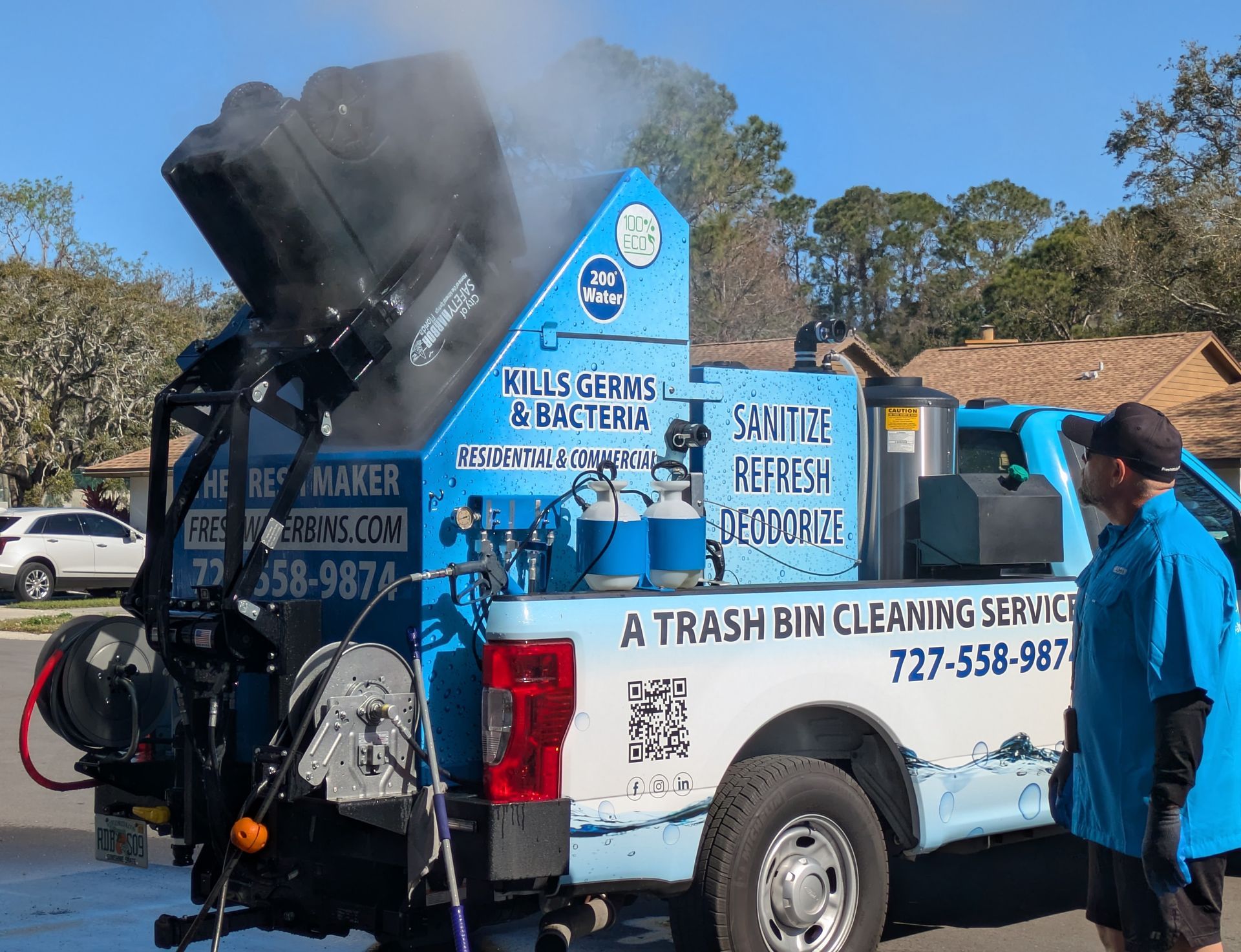
In the past, cleaning your trash bins was a chore, often involving a hose, a scrub brush, and plenty of elbow grease. Fast forward to today, and you’ll find an exciting industry of professional trash bin cleaning services like Fresh Water Bins. Let’s discover the evolution of trash bin cleaning, from the humble do-it-yourself methods to the rise of dedicated professionals.
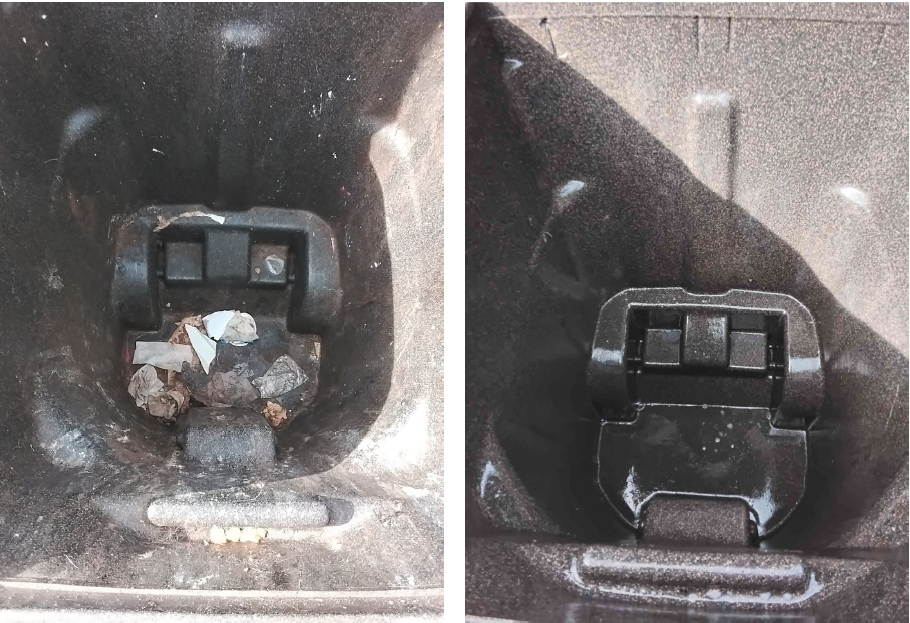
Scheduling a regular, professional trash bin cleaning service with Fresh Water Bins can help stop the growth of mold, bacteria, and foul odors.